IdentityKQL
Advanced huntCompare successful application sign-ins with a separate 14-day source-IP baseline, excluding principals without previous history.
AADServicePrincipalSignInLogs
IdentityKQL
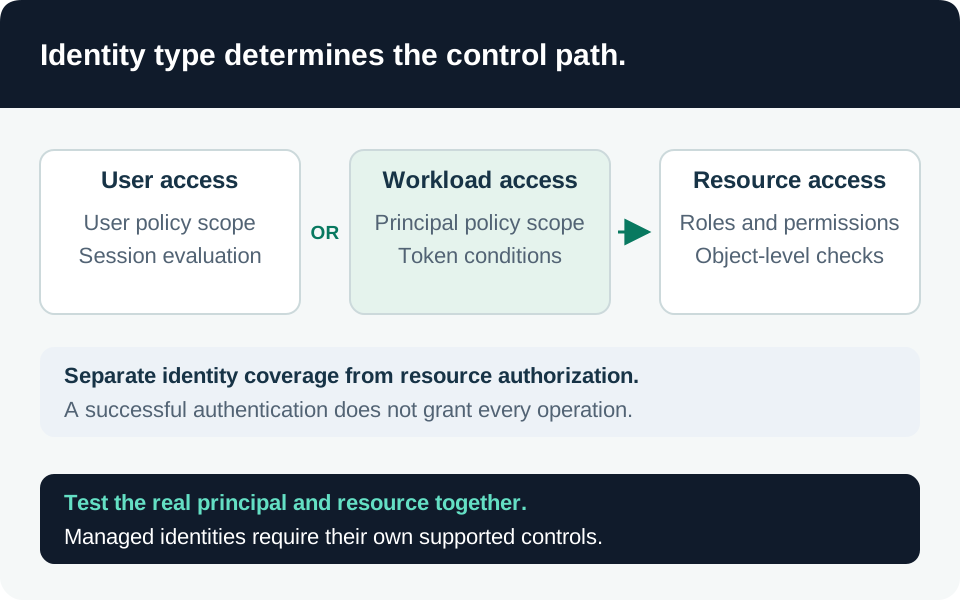
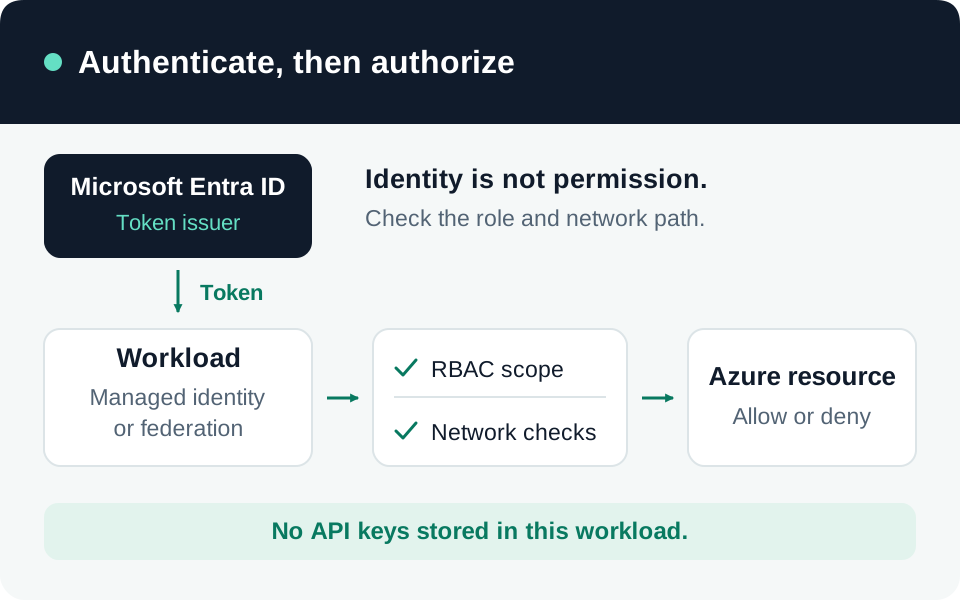
Advanced huntCompare managed-identity token activity with prior resource relationships while keeping workload attachment and downstream authorization as separate evidence.
AADManagedIdentitySignInLogs
IdentityKQL
Advanced huntCompare successful workload resource identifiers against a prior baseline without treating token issuance as proof of new permissions or data access.
AADServicePrincipalSignInLogs
IdentityKQL
Advanced huntMap service-principal authentication to reported credential types, key IDs and federation IDs without exposing credential material.
AADServicePrincipalSignInLogs
IdentityKQL
Find failed managed-identity sign-in records without confusing token acquisition with downstream service authorization.
AADManagedIdentitySignInLogs
IdentityKQL
Group application identity sign-in failures by principal, resource, source IP and reported result.
AADServicePrincipalSignInLogs