Azure AI5 min read
Advanced guideTrace inbound access, agent outbound traffic, hybrid DNS, and external tool destinations as independent controls, then test failure and recovery paths.
Documentation checked↗
Azure AI7 min read
Advanced guideSeparate caller authorization, backend identity, semantic-cache isolation, token budgets and private connectivity in Azure API Management.
Documentation checked↗
Azure AI5 min read
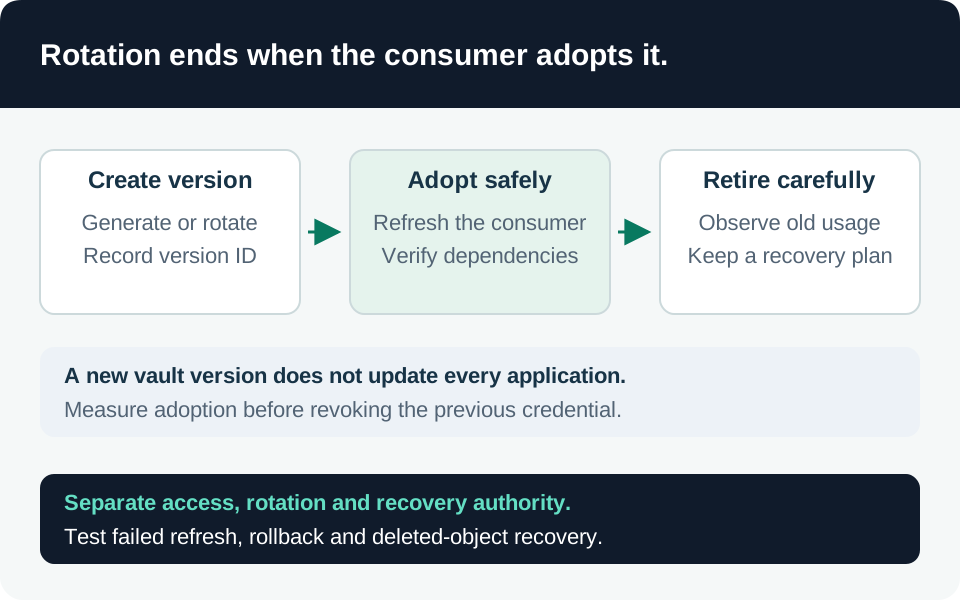
Advanced guideSeparate secret replacement from cryptographic key rotation, verify consumer adoption, and recover vault dependencies without losing access to protected data.
Documentation checked↗
Azure AI4 min read
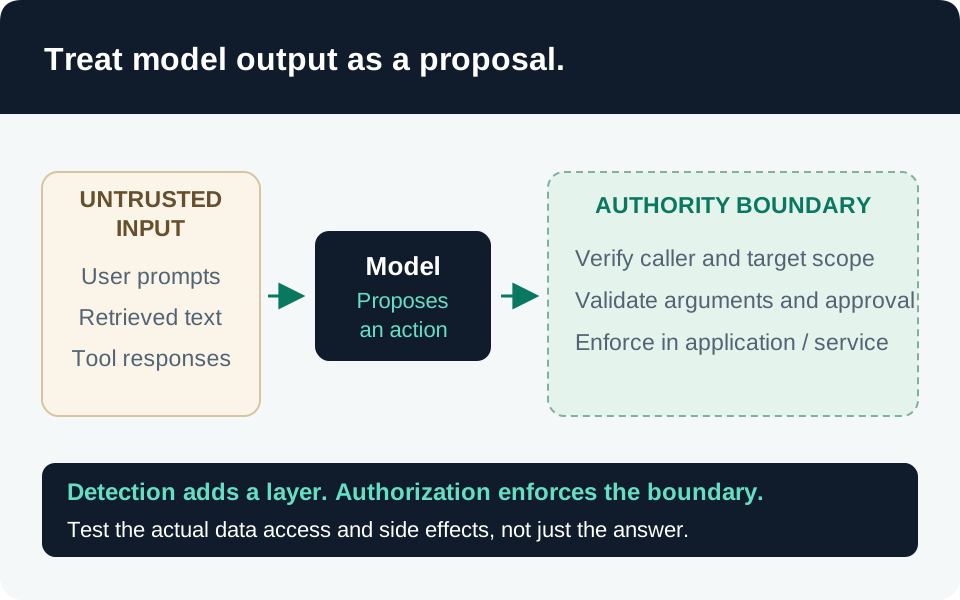
Combine Prompt Shields with deterministic authorization, controlled tool execution, and repeatable tests of retrieved content and tool responses.
Documentation checked↗
Azure AI4 min read
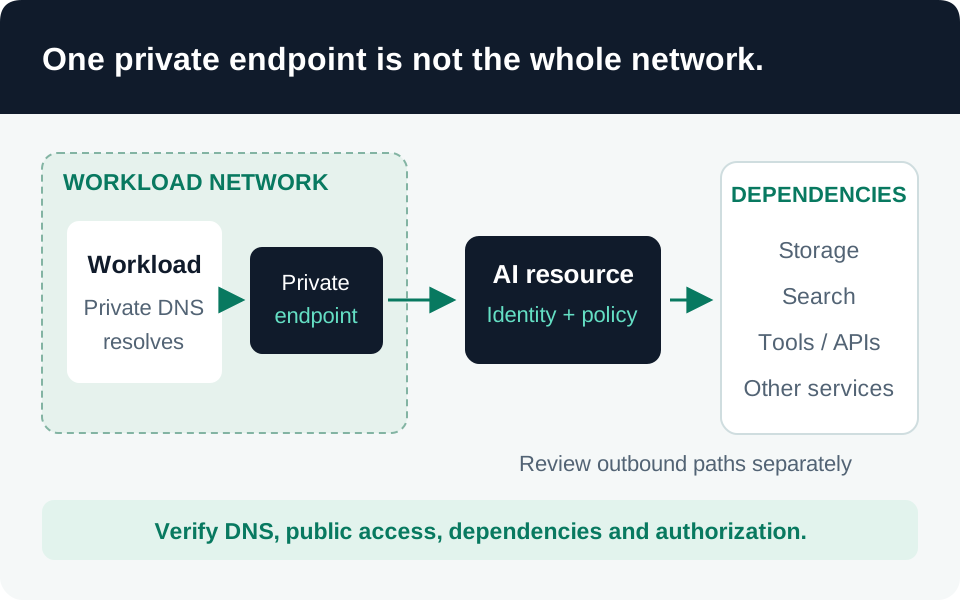
Separate private inbound access, DNS, outbound dependencies, and identity checks before calling a Foundry deployment network-isolated.
Documentation checked↗
Azure AI4 min read
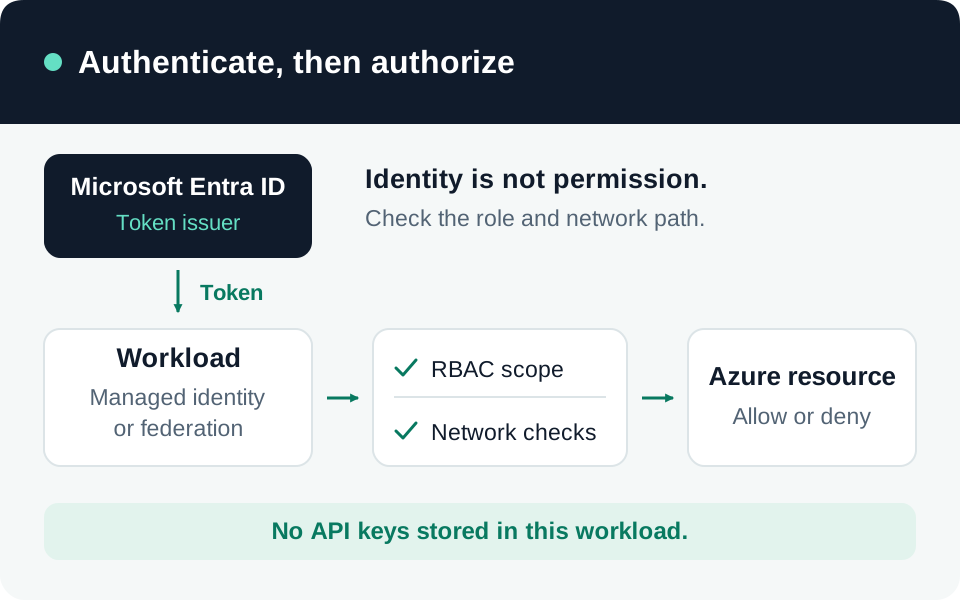
Choose the right Foundry identity and role, remove credential fallbacks, and test the boundaries of keyless access.
Documentation checked↗
